I have been extremely busy due to my last few weeks as an undergraduate! Soon I will have a diploma and continue to work towards my Master's degree! It's all very exciting, but the only thing standing in my way is a mountain pile of work; therefore, I have limited time to blog. *Sad face* But I do need to blog for one of my classes, so next week I'll be able finally sit down and focus on a quality post. In the mean time, check out this chart. As silly as some of the answers are, it makes a good point about the grey areas of what's considered food at supermarkets. If needed, print it out for your next grocery trip-- ha!
Showing posts with label Food. Show all posts
21.4.12
How to Find Real Food at Supermarkets
Key Words:
Chart,
Food,
Food Guide,
Food Label,
Groceries,
Health Claims,
Nutrition,
Real Food,
Shopping,
Supermarket
10.4.12
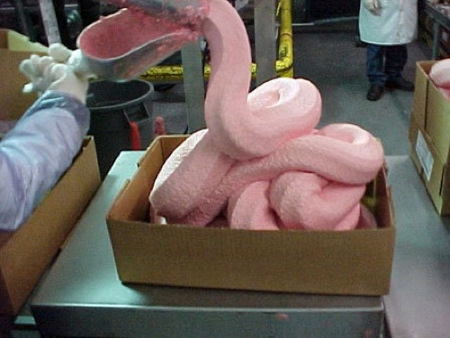
Pink Slime... Is it as gross as it sounds?
Over the past few weeks I've been seeing the words "pink slime" saturating my Twitter feed. I knew it had something to do with a meat filler and school lunches but didn't have a chance to pry further. Well, curiosity has finally gotten the best of me. Pink slime sounds like something that's be dumped on contestants during a Nickelodeon game show; it's definitely not something I'd want to eat or even consider food. So what's the deal with this mystery meat?
Here's what I think of when I picture pink slime: Pink getting slimmed on Nickelodeon Kid's Choice Awards!
Here's the exact description of pink slime that I found on CBS News:
"It's actually "lean finely textured beef," a low-cost ingredient in ground beef made from fatty left over meat trimmings from other cuts. The bits are heated to about 100 F and spun to remove most of the fat, then compressed into blocks for use in ground meat. The product, made by South Dakota-based Beef Products Inc. (BPI), is then exposed to "a puff of ammonium hydroxide gas" to kill bacteria, such as E. coli and salmonella."
Um ew... and this stuff has been on the market for years and the FDA actually approves it as safe. My question is: have the FDA people actually tried this stuff AND are they okay with their children consuming it during school lunch periods? It's disgusting when "food" need to fit specific criteria to actually be considered food! Food should be food.
This is what gets me: McDonald's--- the king of fast food--- doesn't even use the "pink slime" filler but FDA is still approving it as school lunch appropriate... I mean, come on, that alone should scream something.
I'm slightly biased because meat these days gives me the heebie jeebies but what does everyone think? Is this stuff really unsafe or is it just the aesthetics that are freaking people out?
Here's what I think of when I picture pink slime: Pink getting slimmed on Nickelodeon Kid's Choice Awards!
Here's the exact description of pink slime that I found on CBS News:
"It's actually "lean finely textured beef," a low-cost ingredient in ground beef made from fatty left over meat trimmings from other cuts. The bits are heated to about 100 F and spun to remove most of the fat, then compressed into blocks for use in ground meat. The product, made by South Dakota-based Beef Products Inc. (BPI), is then exposed to "a puff of ammonium hydroxide gas" to kill bacteria, such as E. coli and salmonella."
Want a visual?
Here's the pink slime used as a chicken filler (think chicken nuggets):
... and here's the pink slime used as a meat filler (think hamburgers):
Um ew... and this stuff has been on the market for years and the FDA actually approves it as safe. My question is: have the FDA people actually tried this stuff AND are they okay with their children consuming it during school lunch periods? It's disgusting when "food" need to fit specific criteria to actually be considered food! Food should be food.
This is what gets me: McDonald's--- the king of fast food--- doesn't even use the "pink slime" filler but FDA is still approving it as school lunch appropriate... I mean, come on, that alone should scream something.
I'm slightly biased because meat these days gives me the heebie jeebies but what does everyone think? Is this stuff really unsafe or is it just the aesthetics that are freaking people out?
Key Words:
Ammonium Hydroxide,
Beef Products Inc,
BPI,
Fast Food,
FDA,
Food,
Gross Food,
Ground Meat,
Lunch,
McDonald's,
Meat,
Meat Filler,
Nickelodeon,
Pink Slime,
School Lunches
2.6.11
Time to Dish Out "MyPlate"
I always found the food pyramid confusing. Its shape ironically represents the massive portion of food the USDA doesn't want us, obese Americans, to consume. I understood the concept, but somehow the visual of a pyramid and food never clicked. It reminded me more of Maslow's Hierarchy of Needs than a way to balance my nutrition. I also found it kind of ugly and outdated (Plus, which always annoyed me, the picture of "sweets" looked more like a herd of fireflies than something I'd be tempted to eat. What are you trying to pull, USDA?).
From what I've learned growing up, I always thought veggies and fruit were more important than a big helping of grains (and I don't think I have 6-11 servings of bread in 2 days). Plus, determining serving sizes are sometimes hard to calculate--especially when manufacturers try to trick us with packaging and clever marketing. I don't always have the time or patience to measure out my food and examine labels. And when I'm starving, I've already obtained a pre-meal snack before I even think about how many servings are in the heaping pile of pasta on my plate (which most likely represents the shape of the food pyramid above)-- I just wish I had a visual of how much grub I should eat per sitting. Make it so, USDA.
And finally, the fairy food godmother answered our prayers!
Eureka! Above is what abolished the food pyramid. It makes sense, a picture of a plate divided into recommended nutritional servings. How cutting edge (note the sarcasm), but seriously this was a good move by the USDA. Not only does this provide a visual for individuals (especially kids), but also creates more attainable nutritional goals. I don't know about you, but the old pyramid just made me feel defeated and like a foodie failure. Thankfully, this new "myplate" gives me hope. I really do like the concept and new, concise design. Here's the USDA's reasoning for the switch (I got this from their Web site):
- Balancing Calories
- Enjoy your food, but eat less.
- Avoid over-sized potions
- Foods to Increase
- Make half your plate fruits and vegetables
- Make at least half your grains whole grains
- Switch to fat-free or low-fat (1%) milk
- Foods to Reduce
- Compare sodium in foods like soup, bread, and frozen meals--and choose the foods with lower numbers
- Drink water instead of sugary drinks
It's simple and to the point. I love it and think it's a great idea. It's like a guideline to healthy eating. My hope is that it'll motivate individuals to want to make healthier food choices, and know that it's not impossible to take small steps towards a better health (even if it's just substituting water for soda). You go, USDA, you go.
Key Words:
Food,
Food Pyramid,
My Plate,
Nutrition,
USDA
Subscribe to:
Posts (Atom)